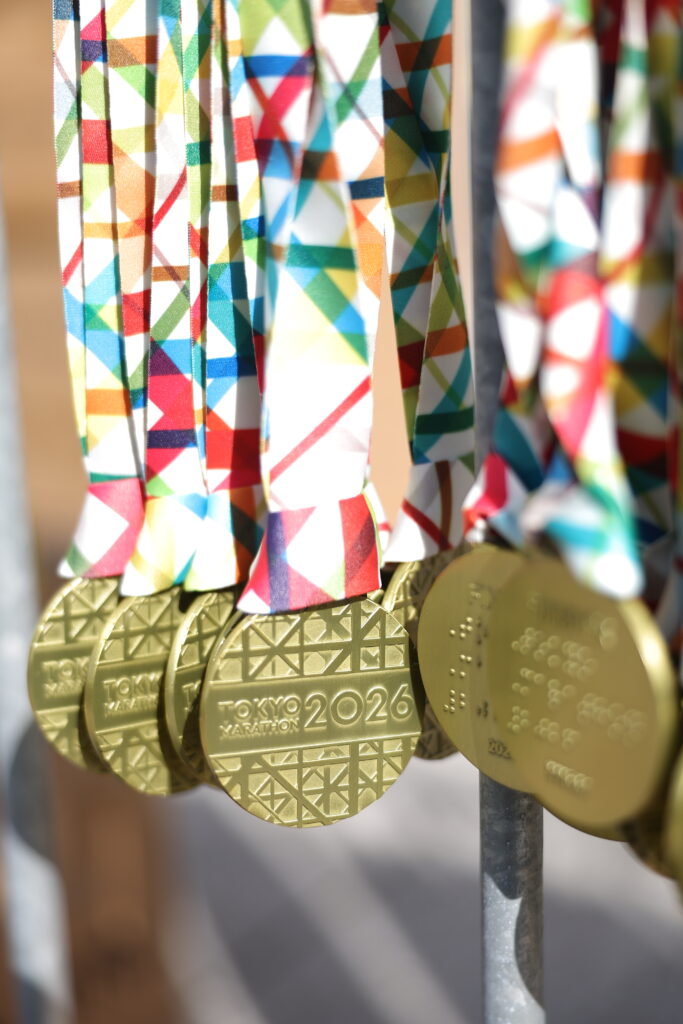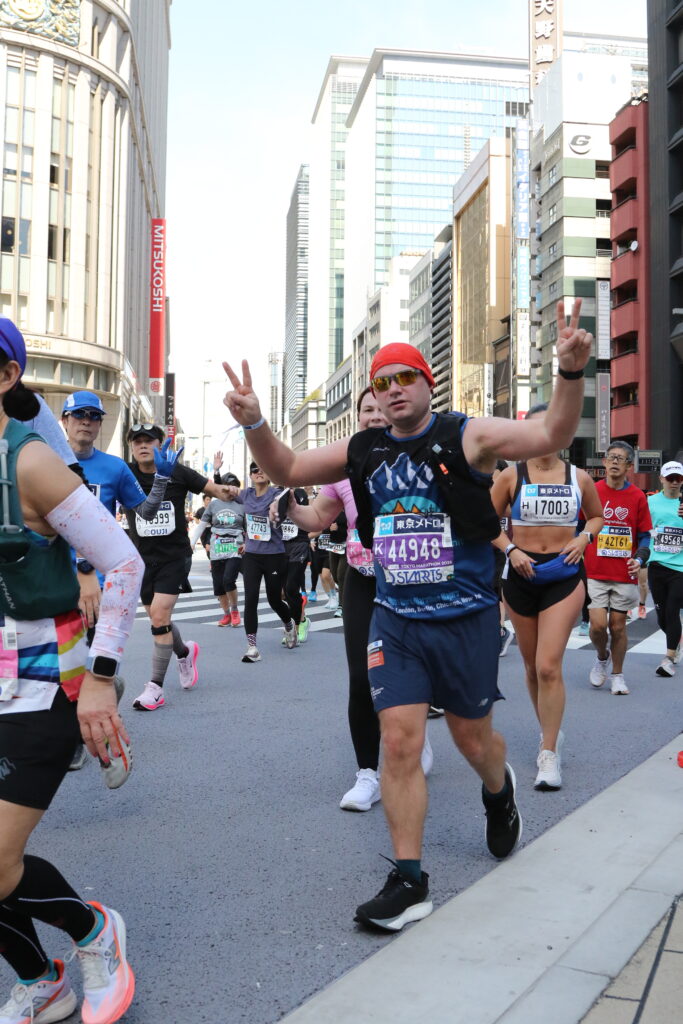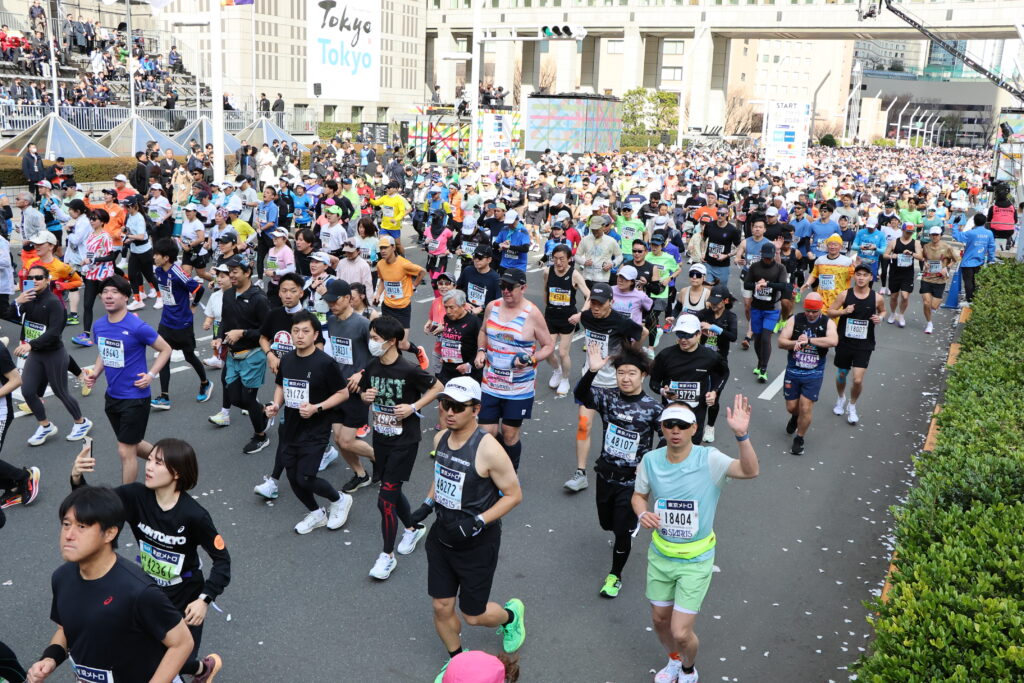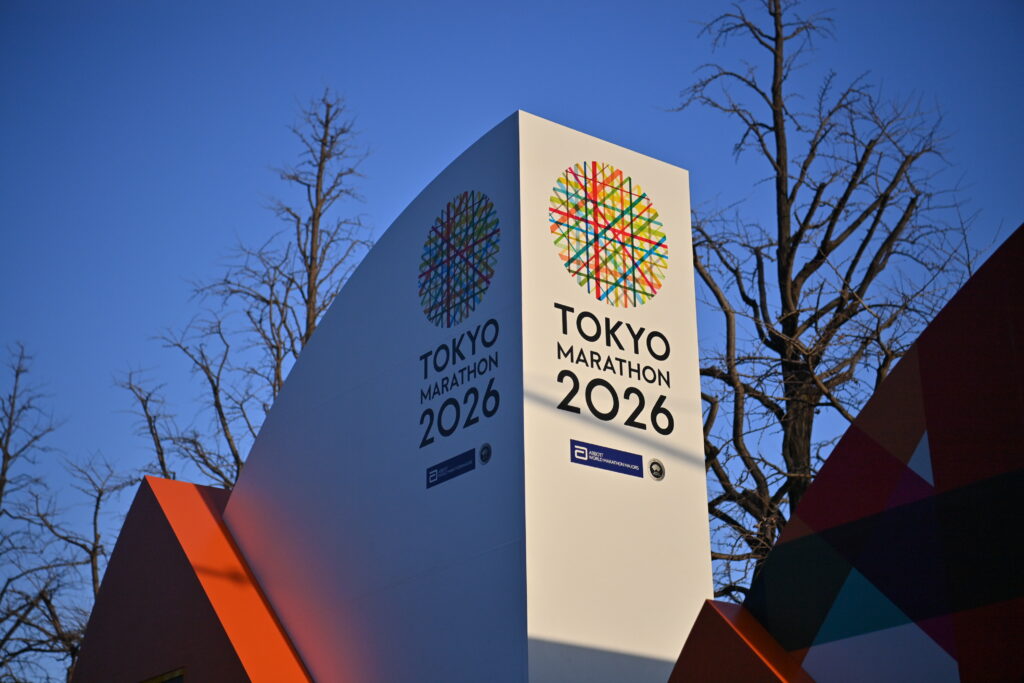
Conquering the 2026 Tokyo Marathon: My 4th Abbott World Marathon Major
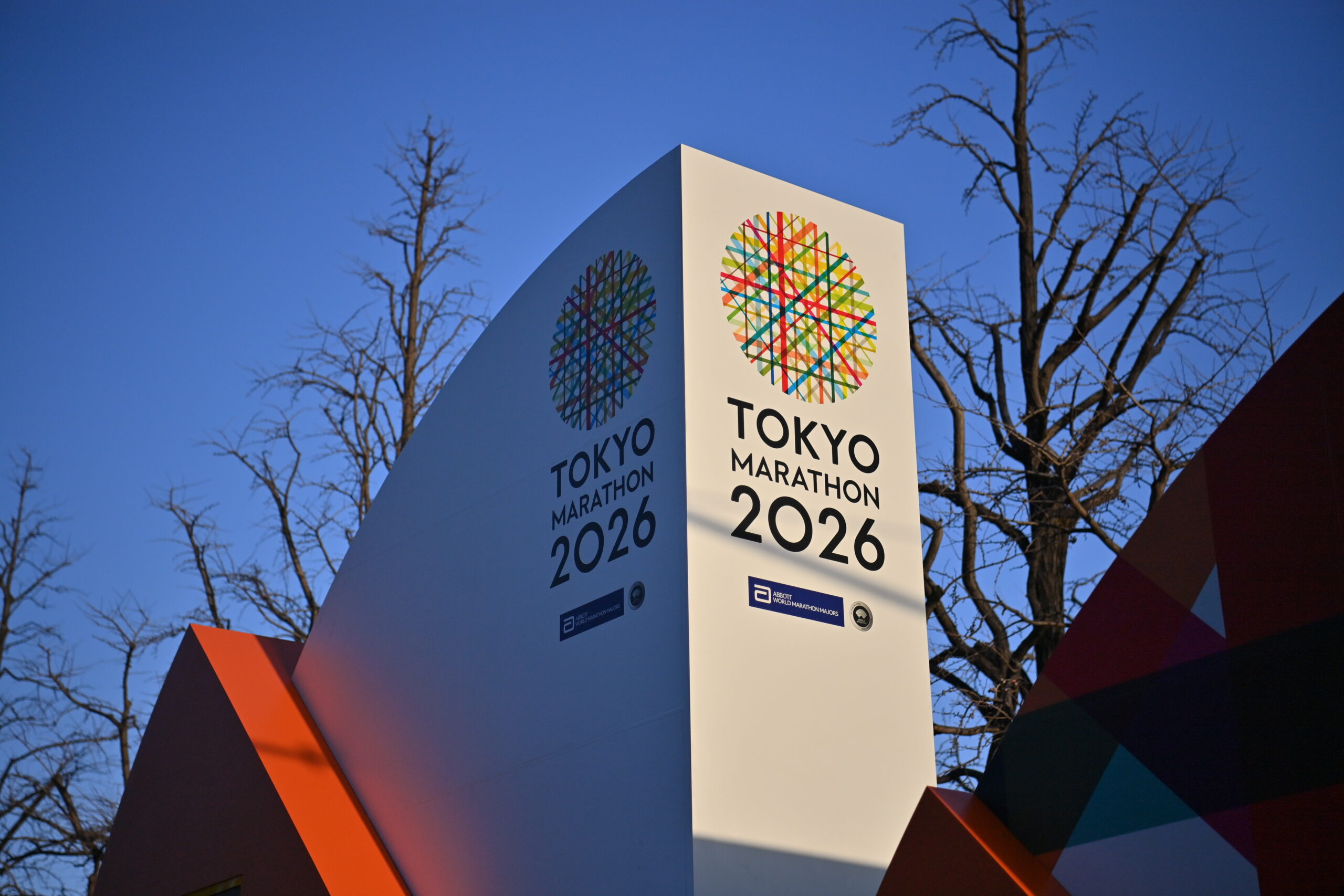
Running a marathon is a feat that requires not only physical strength but also mental fortitude. It’s a test of endurance, willpower, and determination. Among the many marathons worldwide, the Abbott World Marathon Majors (AWMM) stand out as the most prestigious. These six races, held in Tokyo, Boston, London, Berlin, Chicago, and New York City, represent the pinnacle of marathon running. This article will focus on my journey to conquer the 2026 Tokyo Marathon, my fourth AWMM.
Understanding the Abbott World Marathon Majors
The Abbott World Marathon Majors is a series of the six largest and most renowned marathons in the world. The races take place in some of the world’s most iconic cities, each with its unique challenges and attractions. The AWMM began in 2006, and since then, it has grown in prestige and popularity.
Completing all six marathons is a dream for many runners, and I am no exception. After successfully finishing the Boston, Berlin, and Chicago marathons, my sights are now set on the Tokyo Marathon.
The Significance of the Tokyo Marathon
The Tokyo Marathon is the youngest among the six AWMM, having joined the series in 2013. Despite its relative youth, it has quickly gained a reputation as a well-organized, exciting, and challenging race. The course takes runners through the heart of Tokyo, offering a unique blend of modern and traditional Japanese culture.
Running the Tokyo Marathon is not just about the race itself. It’s about experiencing the city, the culture, and the people. It’s about pushing your limits and achieving a personal milestone. And for me, it’s about completing my fourth AWMM and getting one step closer to my goal of finishing all six.
Preparing for the Tokyo Marathon
Training for a marathon is a long and demanding process. It requires careful planning, consistent effort, and a lot of patience. Here’s a glimpse into my preparation for the Tokyo Marathon.
Building a Training Plan
My training plan for the Tokyo Marathon is based on my experiences from the previous three marathons. It involves a mix of long runs, speed workouts, and recovery runs, spread over a period of 16 weeks. The plan is designed to gradually increase my mileage and intensity, allowing my body to adapt to the increasing demands.
Here’s a brief overview of my training plan:
- Long runs: These are the backbone of my training. I start with a distance of 10 miles and gradually increase it by a mile each week, peaking at 22 miles.
- Speed workouts: These include intervals, tempo runs, and hill repeats. They help improve my speed and running efficiency.
- Recovery runs: These are easy, slow-paced runs that help my body recover from the intense workouts.
- Rest days: Rest is crucial for recovery and injury prevention. I take at least one rest day each week.
Nutrition and Hydration
Nutrition and hydration play a crucial role in marathon training. They not only fuel my workouts but also aid in recovery. I follow a balanced diet rich in carbohydrates, proteins, and healthy fats. I also ensure I stay well-hydrated, especially during long runs.
As the race day approaches, I start carb-loading to maximize my glycogen stores. I also pay special attention to my pre-race and race-day nutrition to ensure I have enough energy to sustain me throughout the race.
The Race Day: Conquering the Tokyo Marathon
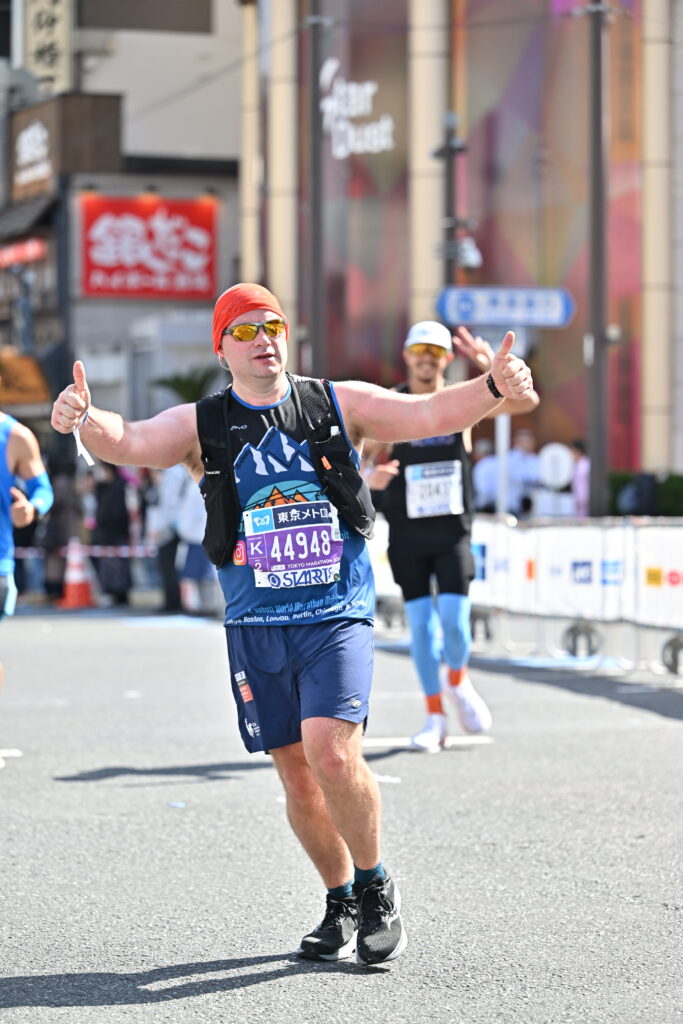
The race day is a culmination of months of hard work, dedication, and anticipation. It’s a day filled with excitement, nervousness, and a sense of accomplishment. Here’s a recount of my experience of running the Tokyo Marathon.
The Atmosphere
The atmosphere at the Tokyo Marathon is electric. The streets are lined with enthusiastic spectators cheering for the runners. Traditional drum performances, cheerleading squads, and live music add to the festive spirit. The energy and support from the crowd are truly uplifting and help keep the runners motivated.
The Course
The Tokyo Marathon course is flat and fast, making it ideal for setting personal records. It takes runners through some of Tokyo’s most iconic landmarks, including the Tokyo Tower, Asakusa Temple, and the Imperial Palace. The course also offers stunning views of the city’s skyline and the Tokyo Bay.
The Challenge
Running a marathon is always a challenge, and the Tokyo Marathon is no exception. The last few miles are particularly tough, both physically and mentally. But the sense of achievement upon crossing the finish line makes all the pain and effort worthwhile.
Reflections and Takeaways
Completing the Tokyo Marathon was an unforgettable experience. It was a test of my endurance, resilience, and determination. It was also a journey of self-discovery and personal growth.
Lessons Learned
Every marathon teaches me something new, and the Tokyo Marathon was no different. It reinforced the importance of proper training, nutrition, and mental preparation. It also reminded me of the power of perseverance and the joy of achieving a long-held dream.
Looking Ahead
With the Tokyo Marathon under my belt, I am now looking forward to my next challenge: the London Marathon. I am excited to continue my journey in the AWMM and get one step closer to completing all six marathons.
Conclusion
Running the Tokyo Marathon was a remarkable journey. It was not just about the 26.2 miles, but about the months of preparation, the race day experience, and the lessons learned. It was about pushing my limits, overcoming challenges, and achieving a personal milestone. And most importantly, it was about taking one step closer to my dream of completing all six Abbott World Marathon Majors.
Whether you are a seasoned marathoner or a beginner, I hope my experience inspires you to set your own running goals and work towards achieving them. Remember, the journey is as important as the destination. So, enjoy every step of your marathon journey, and keep running!